

For a structural entropion in an adult dog, surgery is the best and most lasting fix, because the problem is mechanical: the eyelid rolls inward and fur or lashes rub the eye with every blink, and only repositioning the lid stops it. Drops and ointments can soothe the surface, but they do not change the anatomy driving the friction, so the irritation, and the risk of corneal ulcers and scarring, continues underneath. That said, surgery is not the automatic answer for every case. A growing puppy or a pet whose lid is rolling because of pain may do better with a temporary measure first. The best path depends on why the lid is out of position and whether the pet has finished growing.
Northwood Veterinary Hospital offers soft tissue and eyelid surgery as part of our surgical services, backed by in-house diagnostics and digital radiography for each case. We take an individualized approach, since no two dogs share the same anatomy or the same right answer. If your dog has been squinting persistently or your cat is pawing at an eye, call us to schedule an exam and find out whether surgery is the right path.
Weighing the Surgery Decision
- Structural entropion needs surgery: in an adult, repositioning the lid is the lasting fix.
- Drops are a stopgap, not a cure: they ease the surface without changing the anatomy.
- Timing can change the call: puppies and pain-driven rolls may warrant waiting or tacking first.
- The payoff is durable: a well-planned repair usually holds for life.
Is Surgery Always the Answer for Entropion?
Not always, though for the most common scenario it is. Entropion in an adult dog whose face has finished growing is a fixed structural problem, and surgery is the only thing that permanently corrects it. The exceptions are real but specific: a puppy still growing into its face, or a pet whose lid is rolling secondary to the pain of a corneal ulcer, where the roll may ease once the underlying issue is handled.
So the honest answer is that surgery is the best option for structural cases, but the first job is deciding whether a given case is truly structural or something that might resolve. That decision, not a reflex toward the operating room, is what a good evaluation is for.
How Do the Options Compare?
Laying the choices side by side shows why surgery wins for structural cases and why it is not always first.
| Option | What it does | Best for | Lasting? |
| Eye drops or ointment | Eases surface irritation | Short-term comfort, secondary ulcers | No, anatomy unchanged |
| Temporary tacking | Holds the lid out with sutures | Growing puppies, pain-driven rolls | Temporary by design |
| Definitive surgery | Repositions the lid permanently | Structural entropion in adults | Yes, usually for life |
The table frames the trade-off: the non-surgical options have their place, but only the repair changes the anatomy that is causing the problem.
Why Don’t Eye Drops Fix Entropion?
Drops and ointments treat the consequences of entropion, not the cause. They can lubricate a dry surface, calm inflammation, and help a corneal ulcer heal, all of which matter, but none of them unrolls the lid. The moment the medication wears off, the lashes and skin are still rubbing the cornea, so the damage resumes. The same logic applies to ectropion: you can manage the dryness and the recurring infections medically, but the lid keeps sagging and exposing the eye until its shape is corrected. Medication is a useful bridge, not a destination.
How Do We Decide If Surgery Is Right?
The decision rests on a careful exam rather than the diagnosis alone, and our in-house diagnostics cover the whole workup in one visit. The pieces we check:
- Signs of eye pain: squinting, holding the eye closed, and pawing at the face.
- Eye discharge: clear, mucous, or colored, with each pattern pointing somewhere different.
- Lid position at rest and during blinking, since the difference between the two is half the diagnosis.
- A Schirmer tear test alongside other common ocular tests to rule out dry eye, which often rides along.
- Fluorescein corneal stain to catch any ulceration the rubbing has already caused.
- A check for misdirected eyelash problems that can mimic entropion.
The deciding step is often a topical anesthetic: if numbing the surface relaxes the squint, the roll was pain-driven and may not need surgery, while a lid that stays rolled confirms a structural problem that does.
When Is It Better to Wait or Tack Instead?
Sometimes the right move is to hold off on permanent surgery. Temporary eyelid tacking uses a few sutures to roll the lid outward without removing tissue, and it shines in two situations. The first is a growing puppy, whose facial structure is still changing, so a permanent repair done too early could become an overcorrection as the face matures. The second is a pet whose lid is rolling because the eye hurts, where treating the painful trigger may let the lid settle on its own. Tacking relieves the friction immediately and buys time, and it can be repeated until it is clear whether a permanent procedure is truly needed.
What Happens If You Decide to Wait?
Choosing to wait is reasonable in specific cases, but it carries a cost when the lid is genuinely structural. Every blink against a rolled lid keeps abrading the cornea, and that ongoing friction is what leads to ulcers, pigment changes, and scarring that can permanently cloud vision. Waiting also tends to make the eventual surgery more involved, because a lid that has been rubbing for months often brings secondary corneal damage and tissue changes that a cleaner, earlier repair would have avoided. So the real choice is not surgery versus no surgery; for a structural case it is surgery now versus surgery later on a more damaged eye. That is why, once a case is confirmed structural, sooner is generally better.
What Does Surgery Actually Achieve?
Curative eyelid surgery removes a precise, measured segment of lid tissue so the margin rests in its normal position and stops contacting the eye, and in most patients that repair lasts for life. The technique is matched to the individual, with the amount and placement of the removal calibrated to how far the lid rolls, and a conservative approach is favored so a small revision later is possible rather than risking an overcorrection. Because several eyelid disorders can sit on the same eye, the plan is built around the whole picture, not a single sign. The result owners notice is a pet that is simply comfortable again.
Which Pets Are Most Likely to Need It?
Breed and build predict who lands in surgery. Flat-faced and heavy-folded dogs like Bulldogs, Pugs, Shar-Peis, and Chow Chows, along with Retrievers and several spaniels, are prone to entropion, while loose-lidded breeds such as Bloodhounds, Basset Hounds, and Saint Bernards tend toward ectropion. Among cats, the flat-faced breeds like Persians are most affected. Some dogs, Bulldogs especially, carry both hereditary eyelid conditions at once, which usually makes surgery the clear choice.
Is the Decision Different for Cats?
Somewhat. Entropion in cats usually shows up later in life and often alongside chronic surface disease like conjunctivitis or feline herpesvirus, rather than the breed conformation seen in dogs. Surgery is still the structural fix, but for cats the decision includes treating any underlying viral or inflammatory disease at the same time, since the lid repair alone will not settle an eye that is also fighting infection.
What Does Recovery Involve, and Is It Worth It?
Recovery is straightforward and, for most families, clearly worth it. Pets are usually noticeably more comfortable within a few days, with mild swelling that fades over the first week. The recovery essentials:
- A comfortable Elizabethan collar that stays on until the recheck so a single rub cannot undo the repair.
- Eye drops on schedule: we coach you through administering eye medications so the routine is easier and the medication actually reaches the surface.
- Suture removal and recheck around day ten to fourteen, with confirmation of the final lid position at the next wellness visit.

For ongoing upkeep once the eyes are healed, gentle cleaning around the area keeps stains and discharge from building up:
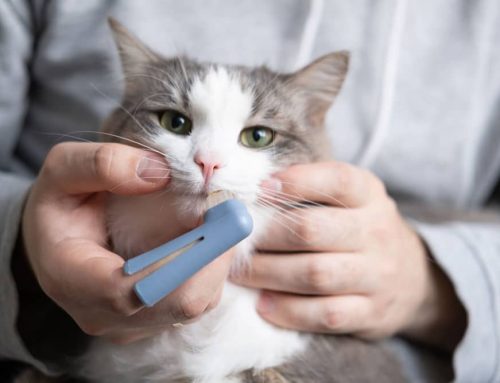
- Tear stain wipes: finger-style wipes for daily upkeep on light-coated breeds.
- Optixcare eye cleaning wipes: general-purpose wipes for around the eye area.
Weighed against a lifetime of friction and the risk of vision loss, the short recovery is a good trade.
Frequently Asked Questions About Choosing Eyelid Surgery
Can I Try Drops First and See If Surgery Is Avoidable?
For a clearly structural entropion in an adult, drops will not avoid surgery, though they can keep the eye more comfortable while you decide. For a borderline or pain-driven case, a short course of medication plus a recheck is reasonable to see whether the lid settles. The exam tells us which situation you are in.
Is Eyelid Surgery Risky?
It is a routine, well-established procedure with high success rates when planned carefully. The main risks, like any surgery, relate to anesthesia, which is why a pre-anesthetic exam, bloodwork, and continuous monitoring are part of the plan. The bigger risk for most pets is leaving a rolling lid uncorrected.
Will My Pet Need Surgery on Both Eyes?
Often, when both eyes are affected, though not always on the same day. We usually correct one eye at a time so the other stays comfortable during recovery, scheduling the second once the first is healing well.
How Do I Know It Is Time to Stop Managing and Choose Surgery?
When the eye needs near-constant drops to stay comfortable, when ulcers keep recurring, or when the squinting and discharge return every time treatment pauses, the medication is no longer keeping up with a structural problem. That pattern is the signal that managing the surface has reached its limit and correcting the lid is the better path. An exam confirms it.
When Surgery Is the Right Next Step
For structural entropion and ectropion, a precise surgical repair is the option that actually solves the problem, and the longer a rolling or drooping lid is left alone, the more corneal damage adds up. Deciding well starts with an exam that confirms whether surgery is truly the best path for your pet.
If your pet has been squinting, tearing, or rubbing at an eye, or you have noticed a change in how an eyelid sits, request an appointment or contact us for an evaluation.

Leave A Comment