

Trusting someone else with your dog is a real leap, whether you are leaving them at a boarding facility overnight, enrolling them in daycare three times a week, or handing them to a groomer for an hour. The pet services industry is largely unregulated, which means the quality of care your dog receives depends almost entirely on the individual facility or person you choose. Doing a little research before you commit makes an enormous difference.
At Northwood Veterinary Hospital, we see a lot of what happens after group care goes wrong: respiratory illness picked up at boarding, a bite wound from daycare, or a dog who came back from a trainer more anxious than before. Our wellness and prevention services are the logical first step before enrolling your dog in any group care setting. We can confirm vaccines are current, discuss temperament considerations, and flag anything about your dog’s health or history that matters for the decision. Request an appointment or contact us to get your dog ready.
What Makes Any Pet Service Provider Worth Trusting?
Regardless of the type of facility, a few standards apply across the board. A provider worth trusting can answer direct questions about their protocols clearly and specifically. They have a written vaccination policy and enforce it. They have documented plans for medical emergencies, conflict, and illness. They welcome tours and questions before you commit. Staff know the animals in their care individually, not just as a mass.
Red flags that apply everywhere: vague or evasive answers about anything, no vaccination requirements, staff who seem overwhelmed or inattentive, animals that appear stressed or withdrawn, and facilities that resist a tour before your first appointment. Ask to see the space where your dog will actually spend their time, not just the lobby.
A pre-enrollment wellness visit with our team confirms your dog’s vaccines are current, parasite prevention is in place, and any relevant health factors are considered before you make a commitment.
What Separates a Good Daycare from a Risky One?
Dog socialization in a well-managed group environment builds confidence and teaches calm interactions. Done poorly, group play causes stress that creates lasting behavioral problems.
A quality daycare screens every dog before the first day with a temperament evaluation, groups by size and energy rather than putting all dogs together, maintains staff ratios that allow genuine active supervision, and has clear protocols for dog introductions between unfamiliar animals and for de-escalating conflict. Structured rest periods matter too: dogs who hit exhaustion or become overstimulated are more likely to be involved in fights or develop behavioral problems.
Before committing, visit in person. Watch how staff interact with the dogs. Ask direct questions about their conflict response process, their cleaning protocols, and who evaluates temperament before admission.
Is Daycare Actually the Right Fit for Your Dog?
Dog tolerance for group environments exists on a broad spectrum, and a dog who is not enthusiastic about group play is not failing at something. Temperament is individual, not a breed characteristic.
Reading canine body language after pickup gives honest feedback. A dog who comes home relaxed and settles easily had a good day. A dog who is stiff, hypervigilant, or restless for hours afterward may be finding the environment more stressful than it appears.
Dogs who tend to do well in daycare enjoy unfamiliar dogs and recover quickly from exciting encounters, are comfortable in busy moderately noisy environments, and have consistent positive group experience behind them. Dogs who may be better suited to other options include those who find unfamiliar dogs stressful, have a history of resource guarding or conflict in groups, or are elderly and managing pain.
Our team is a good resource for an honest assessment of whether your dog is a good group-setting candidate before you invest in a trial.
Dog Parks vs. Daycare: What Is Actually Safer?
Public dog parks have no vaccination requirements, no temperament screening, and supervision depends entirely on whether owners are paying attention. Dog park risks include exposure to unvaccinated or unwell dogs, incompatible play styles without intervention, and no one responsible for managing the group.
A reputable daycare screens before admission, verifies vaccines, manages the group, and has trained staff watching for stress signals and intervening before situations escalate. For a social dog who needs off-leash group interaction, a vetted daycare is typically a substantially safer option.
What Should Good Boarding Look Like?
A quality boarding facility provides consistent, documented care for each dog: scheduled feeding times, exercise or enrichment at predictable intervals, and staff who can give you a genuine report on how your dog’s stay went. Before leaving your dog overnight for the first time, visit the facility, see the space where your dog will sleep and exercise, and ask specifically about how dogs with medical needs or daily medications are managed.
Questions worth asking before booking boarding: What is the staff-to-dog ratio overnight? Who is on-site after hours if something goes wrong? How are dogs separated at mealtimes? What veterinary relationship does the facility have for emergencies?
For dogs with medical needs, significant anxiety, or a health history that requires daily management, in-home pet sitting or small-scale boarding with one-to-one attention is often a better fit than a high-volume kennel. If you are uncertain which option suits your dog, our team can help you think through it based on their current health status.
Why Does Regular Grooming Matter Beyond Appearance?
Regular grooming removes dead coat, reduces matting that can cause skin irritation and trap moisture, allows early detection of lumps, parasites, and skin changes, and keeps nails at a length that does not affect gait or joint comfort. A good groomer is also a second set of eyes on your dog’s physical condition.
Most reputable groomers require at least Bordetella vaccination, and some require DHPP and rabies documentation as well. When evaluating a groomer, ask whether they are certified through a recognized program, how they handle anxious or older dogs, and what their protocols are when a dog reacts negatively during the appointment.
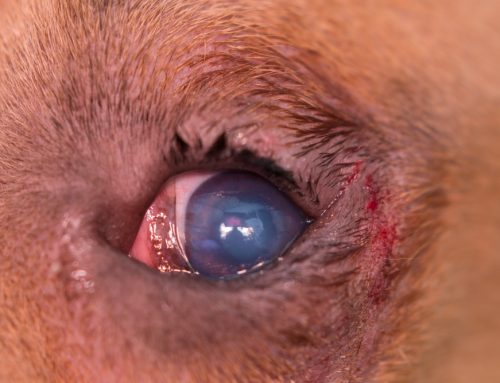
If your dog returns from grooming with eye redness, skin irritation, behavioral changes, or any injury, our team can evaluate promptly and determine whether treatment is needed.
How Do You Choose a Good Dog Trainer?
Dog training is an unregulated industry, which means anyone can use the title “trainer” regardless of education, experience, or methods. This makes your due diligence as important here as it is when choosing any other professional.
Look for trainers who ground their practice in positive reinforcement and the LIMA framework (Least Invasive, Minimally Aversive), which prioritizes techniques that achieve behavior change without using fear, pain, or intimidation. Aversive methods can suppress behavior temporarily while creating anxiety that surfaces in other ways.
Credentialing programs that indicate a trainer has pursued meaningful formal education include certification through the Certification Council for Professional Dog Trainers, graduation from the Karen Pryor Academy, the Victoria Stilwell Dog Training Academy, or the Academy for Dog Trainers. Membership in the International Association of Animal Behavior Consultants and completion of a Fear Free Certified Trainer program are additional indicators of a commitment to science-based, low-stress methods. None of these alone guarantee a good trainer, but they indicate someone who has been educated rather than just self-declared.
What Is the Difference Between a Trainer and a Veterinary Behaviorist?
The terms “behaviorist” and “animal behaviorist” are used informally by many trainers without formal credentials. A formally credentialed veterinary behaviorist holds a veterinary degree plus a residency and board certification through the American College of Veterinary Behaviorists, earning the title Diplomate of the American College of Veterinary Behaviorists (DACVB). A Certified Applied Animal Behaviorist (CAAB) is credentialed through the Animal Behavior Society and holds an advanced degree in behavioral science.
If your dog has fear, aggression, anxiety, or compulsive behavior that is not responding to standard training, a formal referral to a DACVB or CAAB is more appropriate than continuing with a trainer who uses the behaviorist title informally.
When Can a Puppy Start Group Settings?
Puppies should not enter general daycare until their core vaccination series is complete, typically around 16 weeks, because their still-developing immune systems are vulnerable to diseases like parvovirus that spread easily in group settings.
The socialization window closes around 12 to 16 weeks, meaning the critical period overlaps with the pre-vaccination period. Puppy socialization during this time should happen in controlled environments with known vaccinated dogs rather than open group settings. Evidence on early socialization consistently shows that the benefits of structured, appropriate socialization outweigh disease risks when the setting is managed. Safe group play is managed and taught, not just roughly organized chaos.
Talk to us during your puppy’s wellness visits about timing and which environments are appropriate at each stage.
Vaccines and Parasite Prevention for Group Settings
Most reputable facilities require Rabies (required by law, current documentation), DHPP or DAPP (core combination covering distemper, parvovirus, hepatitis, and parainfluenza), Bordetella typically every 6 to 12 months and given several days before starting to allow it to take effect, and Canine influenza, increasingly required in the Northeast with an initial two-dose series for dogs who have never received it.
Consistent flea, tick, and heartworm prevention is equally important. Dogs attending daycare or boarding and accessing any shared outdoor spaces need comprehensive year-round intestinal parasite prevention alongside their ectoparasite coverage.
Contagious Diseases in Group Settings
Even well-run facilities with strong cleaning protocols carry some transmission risk. Vaccination reduces but does not eliminate it.
- Parvovirus: highly contagious, survives in the environment for months, requires DHPP vaccination for protection
- Kennel cough: spreads easily through shared air and surfaces; Bordetella vaccination reduces severity
- Canine influenza: increasingly prevalent in the Northeast; initial two-dose series required for unvaccinated dogs
- Leptospirosis: spread through contaminated water and soil; the L4 vaccine is recommended for dogs with outdoor exposure
- Oral papilloma virus: wart-like lesions around the mouth spread through direct contact; typically self-limiting in young dogs but worth monitoring
If your dog develops coughing, lethargy, vomiting, or nasal discharge within two weeks of any group care, contact us. Our diagnostics allow quick assessment and treatment guidance.
Parasites and Skin Conditions After Group Care
Direct contact in shared spaces can also expose dogs to parasites and skin conditions beyond what vaccines prevent.
- Giardia: a waterborne intestinal parasite shed through feces that causes diarrhea and can be transmitted to people; dogs in facilities with shared water bowls or outdoor areas are at higher risk
- Ringworm: a fungal skin infection despite its name; spreads through direct contact and contaminated surfaces; contagious to people; produces circular, scaly bald patches
- Sarcoptic mange: microscopic mites spread through contact that cause intense itching, crusting, and hair loss; contagious to people and other pets in the household
If your dog returns from any group care setting with new skin changes, excessive itching, hair loss, or digestive upset, our team can evaluate promptly. Some of these conditions require household decontamination and treatment of all pets in contact.
Checking Your Dog After Any Group Care
A brief physical check after pickup is worth building into the routine:
- Scrapes, cuts, or punctures around the face, neck, and legs from play
- Bite wounds, which often look minor but carry high infection risk from oral bacteria
Any bite wound should be evaluated even when it looks small. Puncture wounds close quickly on the surface while bacteria tracked in by the bite continue to cause infection below. Contact us for same-day evaluation when a wound is found at pickup.

Frequently Asked Questions
What vaccines does my dog need for daycare or boarding?
Most reputable facilities require Rabies, DHPP, Bordetella, and increasingly Canine influenza. Contact us to review your dog’s records and update anything that has lapsed before your first enrollment day.
How do I know if my dog is doing well in daycare?
A dog who had a good day comes home relaxed and settles easily. A dog who is stiff, hypervigilant, or unable to settle for hours afterward may be finding the environment more overwhelming than it appears. Short initial trial sessions make it easier to gauge.
When is my puppy ready for group settings?
Most puppies should wait at least two weeks after their core vaccine series is complete around 16 weeks. Structured puppy classes with vaccination requirements are the safest option during the socialization window before that point. Talk to us about your specific puppy’s timing and our recommendations for local puppy classes.
How do I find a good dog trainer?
Look for trainers with formal credentials from recognized programs who use positive reinforcement and the LIMA framework. Avoid anyone who uses fear, pain, or intimidation as primary tools.
Should I choose daycare or boarding?
The right choice depends on your dog’s temperament and health status. Social dogs who do well in groups benefit from daycare’s enrichment. Dogs who find groups stressful, have medical needs, or require individual attention often do better in boarding or home-based care. Our team can help you think through which suits your dog.
Group Care Works Best When Your Dog Is Ready
A prepared dog has a better experience in any group setting. That means current vaccines, consistent parasite prevention, a temperament that suits the environment, and a provider who takes their own screening seriously. Northwood Veterinary Hospital is here to help with the preparation side of that equation.
Request an appointment for a pre-enrollment wellness check, or contact us to review your dog’s vaccines and discuss which group care options are the right fit.




Leave A Comment